Mapped and Monitored: How State-Level Crypto Regulations in 2024–2025 Are Reshaping Where and How You Trade

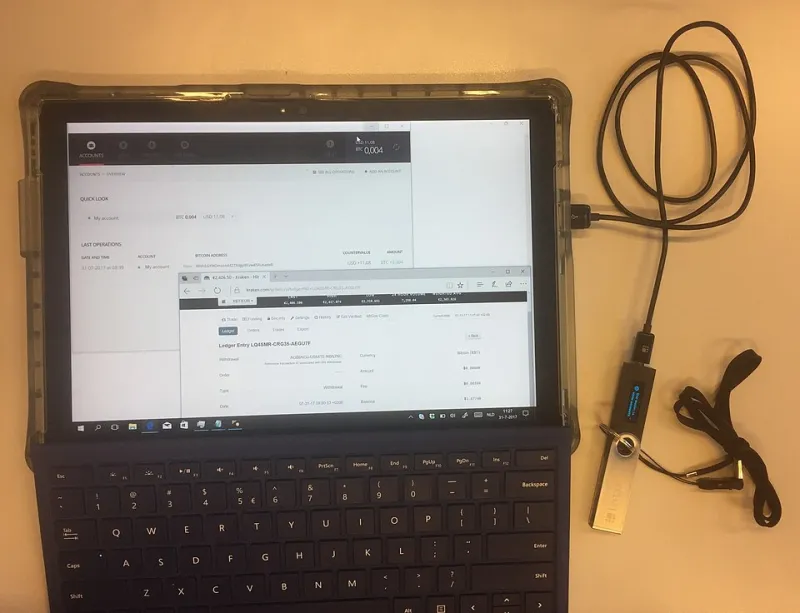
Photo: Becker1999 from Grove City, OH, CC BY 2.0, via Wikimedia Commons
Most American crypto traders keep one eye on Washington — watching for SEC enforcement actions, Congressional hearings, and signals from the CFTC about how digital assets might eventually be classified at the federal level. That attention is warranted. But while Washington deliberates, state capitals across the country have been quietly constructing their own regulatory frameworks, and the practical consequences for everyday traders are arriving faster than many anticipated.
If you trade cryptocurrency from a US address, your state of residence shapes what platforms you can access, which features are available to you, and what compliance obligations you carry — often without any clear notification from the platforms themselves.
The Fragmented Landscape: Why States Act Independently
The United States operates under a dual regulatory system in which financial oversight is shared between federal and state authorities. In the absence of comprehensive federal cryptocurrency legislation — a gap that has persisted despite years of Congressional discussion — states have exercised their own authority, producing a regulatory environment that varies dramatically depending on which side of a state line you happen to live on.
This fragmentation is not new. New York's BitLicense, introduced in 2015, remains one of the most demanding state-level licensing frameworks in the country. Platforms that choose not to obtain it simply do not serve New York residents — a restriction that has quietly shaped the available options for millions of traders for nearly a decade.
What has changed in the 2024–2025 period is the pace and geographic spread of state-level action. Regulatory activity that was once concentrated in a handful of jurisdictions is now expanding into states that previously took a hands-off approach.
States Taking a More Restrictive Stance
New York continues to enforce its BitLicense regime with consistent rigor. Exchanges operating without licensure face significant penalties, and the application process remains resource-intensive. For traders, this means the pool of compliant platforms serving New York residents is smaller than in most other states — and certain product types, including some derivatives and leveraged instruments, face additional scrutiny.
California moved through 2024 with its Digital Financial Assets Law gaining implementation momentum following its 2023 passage. The law imposes licensing requirements on crypto businesses operating in the state and establishes consumer protection standards that affect how platforms communicate with California-based users. Traders in the state should expect continued platform-side adjustments as compliance deadlines take effect.
Hawaii has historically been one of the most restrictive states for crypto exchange access, largely due to its money transmission laws requiring platforms to hold reserves equal to customer crypto holdings — a standard many exchanges found operationally untenable. Legislative efforts to reform this requirement have progressed incrementally, but access limitations persist for Hawaiian residents on several major platforms.
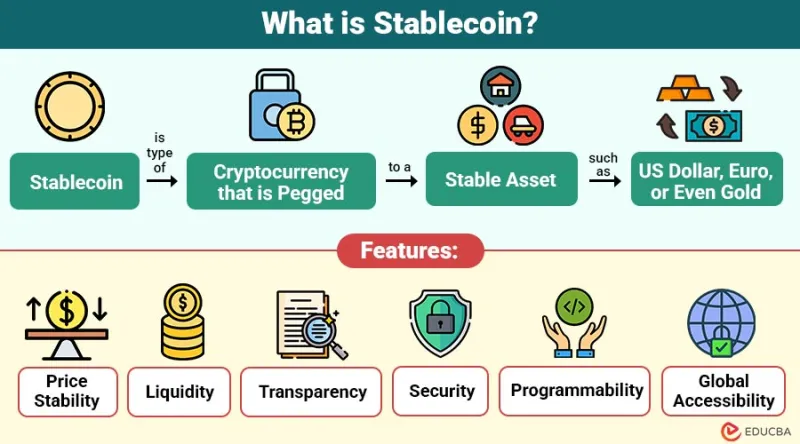
Texas and Florida, while generally positioned as crypto-friendly jurisdictions, have introduced their own nuanced requirements around stablecoin issuance and money services business registration that affect certain platform features available to residents.
Minnesota and Vermont have introduced or advanced legislation through 2024 that would impose new disclosure requirements and, in some cases, transaction monitoring obligations that indirectly affect how platforms handle accounts associated with those states.
How Platforms Are Adapting
Major exchanges respond to state regulatory shifts in several ways, not all of which are communicated transparently to users.
Geographic feature restrictions are among the most common adaptations. A platform may continue to offer spot trading to residents of a regulated state while quietly disabling margin products, staking programs, or certain token listings for those users. These restrictions often appear as vague error messages or missing menu options rather than explicit explanations.
Account verification requirements are also expanding. Several platforms have introduced enhanced Know Your Customer procedures for users in states with stricter frameworks, requiring additional documentation that was not previously mandated. Failure to complete these verification steps can result in trading restrictions or account holds.
In some cases, platforms have made the more drastic decision to exit specific state markets entirely rather than pursue costly licensing. This forces affected traders to migrate to compliant alternatives — sometimes on short notice.
A Practical Compliance Checklist for US Traders
Given the evolving landscape, proactive verification is far preferable to discovering a compliance issue after it has already disrupted your trading activity. The following framework is worth reviewing periodically:
1. Confirm your platform holds appropriate state licenses. Most reputable exchanges publish a list of states where they are licensed to operate. Cross-reference your state of residence against this list, and verify that the specific products you use — not just the platform generally — are covered.
2. Review your account's feature availability. Log into your platform and compare the full list of available products against what is offered to users in unregulated states. Discrepancies may indicate geographic restrictions that have been quietly applied to your account.
3. Stay current on state-level legislative calendars. Several states have active crypto-related legislation moving through committee in 2025. Subscribing to updates from your state's financial regulatory authority — typically the Department of Financial Institutions or its equivalent — provides early warning of changes that may affect your access.
4. Document your residency status accurately. Platforms rely on the address information you provide to determine applicable regulations. Ensure your registered address is current and accurate. Discrepancies between your stated address and your actual trading location can create compliance complications.
5. Understand the tax reporting implications of your state. Beyond trading access, several states have introduced or expanded capital gains reporting requirements for digital assets. California and New York, in particular, have active enforcement postures on crypto tax compliance that operate independently of federal IRS requirements.
6. Maintain records of any platform-initiated restrictions. If a platform limits your account due to regulatory reasons, document the notification, date, and nature of the restriction. This record may be relevant if questions arise later about your trading history during a specific period.
The Behavioral Dimension: Avoiding Reactive Decisions
One underappreciated consequence of regulatory uncertainty is the psychological pressure it places on traders. When account access feels unstable or platform features disappear without clear explanation, the natural response is anxiety — which frequently leads to poor trading decisions. Traders liquidate positions prematurely, avoid legitimate strategies out of vague concern, or make rushed platform migrations without adequately evaluating alternatives.
A disciplined approach to regulatory compliance functions as a form of risk management. Traders who understand their regulatory environment, have verified their platform access, and maintain current documentation are insulated from the reactive impulses that uncertainty tends to generate. Compliance is not simply a legal obligation — it is a component of trading psychology that supports clearer, more confident decision-making.
Looking Ahead
The state-level regulatory landscape for cryptocurrency is unlikely to stabilize in the near term. As federal frameworks remain incomplete, individual states will continue to fill the void with their own approaches — some protective of trader access, others restrictive. The traders best positioned to navigate this environment are those who treat compliance as an ongoing practice rather than a one-time checkbox.
Stay informed, verify regularly, and ensure that the platform infrastructure supporting your trading strategy is built on a compliant foundation.